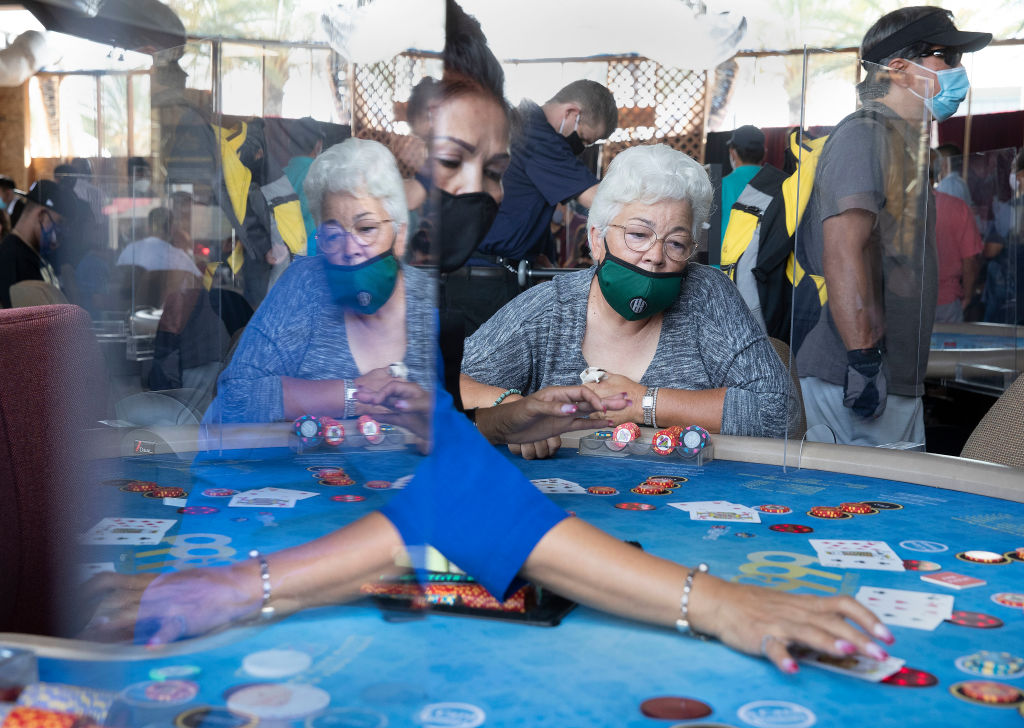
No poker player likes to be bluffed out of a big pot they should have won since this is damaging to their wallet and embarrassing as well. But, despite how frustrating it is to be bluffed, some people just can’t avoid it because they don’t know how to tell when a person is and isn’t holding good cards. However, identifying a bluffer is a much easier process when you know what to look for at the table. Here are some things you should focus on in order to tell when a person is trying to bluff you.
Behavior Patterns
Most people can tell a lot about others when they first meet them; this is just human instinct. When you sit down at a poker table, you should be able to get an indication of everyone’s personality with the first few minutes. And this is very important because you need to be able to tell when their behavior pattern changes. If someone who was acting uptight earlier makes a huge raise and then starts acting all casual, you should know something is up. Acting overly casual is one of the biggest signs that a person is bluffing since they are trying to pretend they’re comfortable with their hand. The reverse, where a casual person starts acting uptight after a huge raise, is also a dead giveaway that a bluff is coming.
Talking
Along with assessing players’ behavior patterns, a person also needs to pay attention to how much different players talk at the table. This is because you need to learn who the natural talkers are and who the quieter players are. Quiet players that start talking a bunch during a big hand are nervous and this is a sign they are bluffing while talkative players that get quiet when they’ve made a huge raise are also giving away a bluff.
Chip Shoves
If you examine the way poker players shove their chips compared to what their hand turns out to be, you’ll notice that a simple shove can give away everything. Those who shove their chips with excessive force are trying to make it look like they have a really strong hand and must raise you. When this happens, the players are giving away that they are trying to pull off a bluff while holding a weak hand. Another thing to watch for with the shoves is when a person makes a mess and then quickly tries to rearrange the chip stacks neatly; this nervousness definitely indicates a bluff.
Breathing
Being able to judge a player’s breathing is one of the tougher ways to catch a bluffer, but it is also one of the best tells when spotted. Unless they have a medical condition, everyone’s breathing pattern at the table will seem normal when they’re mucking their cards or playing a hand straight. However, players that are getting ready to attempt a bluff will switch their breathing patterns to a series shallow breaths. It takes a lot of observation and practice to spot this, but if you are able to see it then you will have one more way to catch a bluffer.
Eye Contact
Another one of the many ways to spot a bluff is through a player’s eye contact. People that are playing their hand straight-up will look at both their cards and the other players. This differs greatly from those who are bluffing since they will either stare at their cards or stare at the people around the table. If you happen to notice a person who can’t stop staring at either their cards or the other players then you should recognize them as a bluffer.
Anxiousness
As soon as a person makes a call and shoves their chips in or mucks a hand, their turn is over and action goes to the next player. Depending on what a bluffer is hoping for, they will be hoping for players to do one or the other as quickly as possible so their bluff works. If you are involved in a big hand with another player and they start exhibiting signs of nervousness while you make your decision then they are bluffing. Watch for things such as a player fidgeting excessively or scratching their head while waiting for you to make your decision.