Loudest NBA Fans Ranked: Which Arenas Bring the Most Noise?

Game day in the NBA has a sound and it’s loud. However, the volume of the sound depends on who is cheering (or booing) in the stands.
Some fans show up loud and proud in large numbers. Other fans are more subdued, or have arenas that muffle the sounds they do make.
To identify the loudest NBA fans, we blended attendance consistency, capacity fill rates, online fan engagement, and how effectively stadiums amplify crowd noise. This produced a list of the absolute loudest NBA fans.
Key Findings
- The Sacramento Kings have the loudest fans in the NBA. Their fan energy combined with the Golden 1 Center’s tight acoustics makes for a deafening home environment.
- Utah Jazz fans rank second. Despite a mid-sized market, the Delta Center remains one of the most acoustically punishing environments for visiting teams.
- The Phoenix Suns and Portland Trail Blazers follow closely, proving that Western Conference fanbases are currently setting the bar for noise.
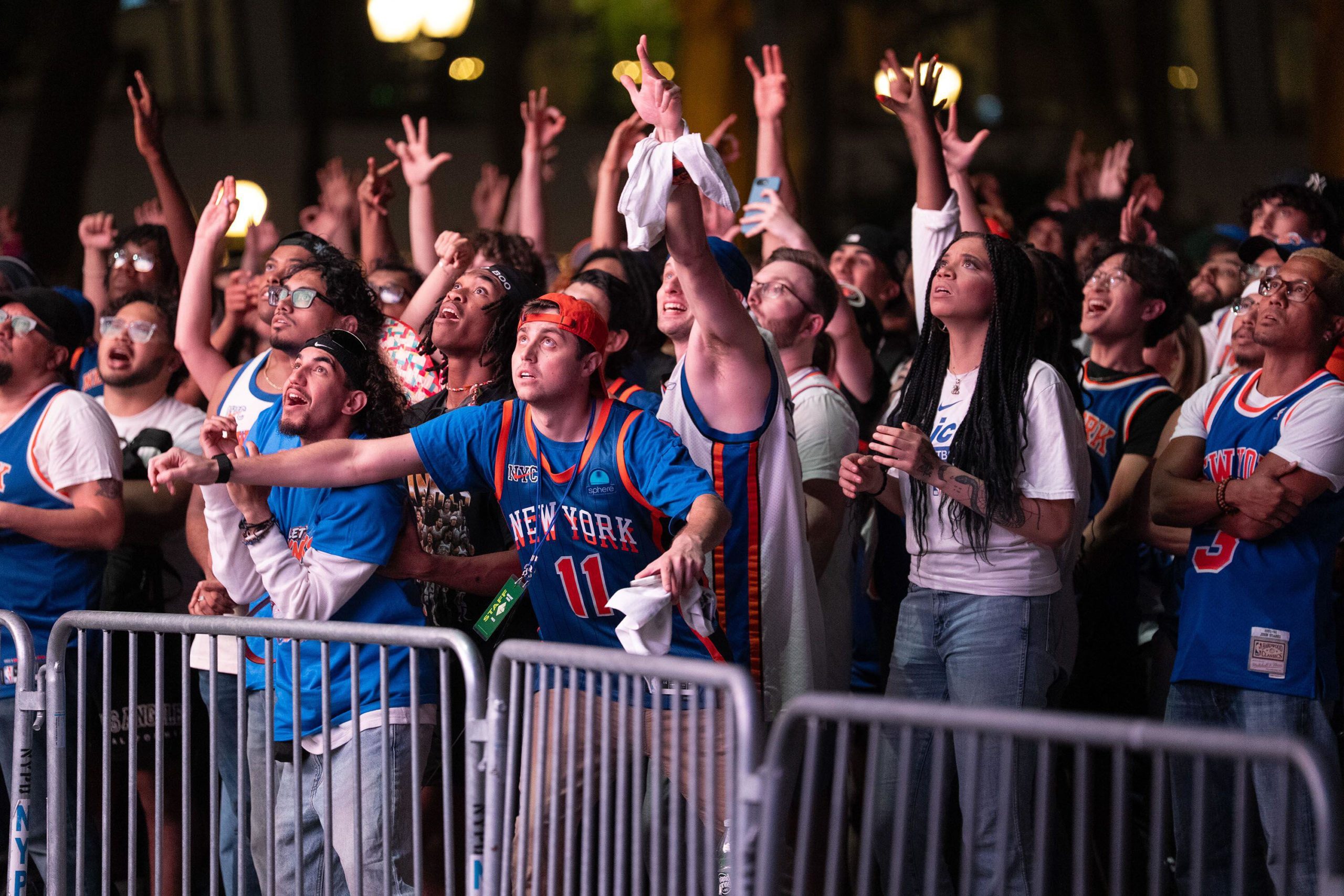
- New York Knicks fans at Madison Square Garden boast the highest "Architecture Score," as the legendary arena’s ceiling and layout are designed to funnel noise directly onto the floor.
- Brooklyn Nets' fans are the quietest in the league. Maybe all the vocal NBA fans in the metro root for the Knicks?
Are you a loud (opinionated) fan? Check out this BetMGM Bonus Code or FanDuel Promo Code to experience the game on a deeper level.
1. Sacramento Kings — Golden 1 Center
Loudness Index: 78.17
Sacramento Kings' fans takes the crown because no other fanbase combines such extreme "over-capacity" energy with a modern, sound-trapping arena.
- The "Cowbell" Effect: While the cowbells are a legacy item, the modern crowd sustains a roar that often exceeds the arena’s official decibel ratings.
- Massive Over-Capacity: Averaging nearly 112% capacity, the Kings pack more bodies into the Golden 1 Center than the fire marshal likely prefers.
Why they’re #1: It’s a combination of the Kings' hungry fanbase and a building designed specifically to keep sound from escaping through the rafters.
2. Utah Jazz — Delta Center
Loudness Index: 76.92
Utah has long been known as a "hostile" environment, and the data backs it up.
- Vertical Seating: The Delta Center’s steep seating bowl puts fans right on top of the action, making the noise feel more intimate and aggressive.
- Sustained Noise: Unlike arenas that only get loud for big plays, Jazz fans maintain a high baseline of noise throughout all four quarters.
Why they’re #2: The Jazz don't need massive market size. The Delta Center turns full participation into relentless noise. It’s one of the most acoustically punishing environments in basketball.
3. Phoenix Suns — Footprint Center
Loudness Index: 73.66
Phoenix Suns' fans create quite the sound at Footprint Center.
- Highest Occupancy: At 113.83% capacity filled, the Suns have the highest relative attendance density in the league.
- Vocal Engagement: Their Reddit community is one of the most active, a passion that translates directly into the "Valley" atmosphere on game nights.
Why they’re #3: Phoenix fans have mastered timing and persistence. The noise comes from reliable fans and stadium design working together to create a peak occupancy environment.
4. Portland Trail Blazers — Moda Center
Loudness Index: 73.37
Rip City has a reputation for loyalty, and the Moda Center is an acoustic gem.
- Consistent Roar: Even during rebuilding phases, Portland fans show up. They rank high in attendance consistency, meaning there are rarely "quiet nights" in the Pacific Northwest.
- Architecture: The arena’s roof design is specifically cited for its ability to reflect sound back toward the hardwood.
Why they’re #4: Moda Center has become loud not because of size, but because nearly everyone inside is fully invested. Don't believe me? Just ask their opponents, they are sure to hear it.
5. San Antonio Spurs — Frost Bank Center
Loudness Index: 71.52
The "Wemby Era" has officially turned the volume back up in San Antonio.
- Engaged Majority: With a 107.80% capacity rate, the Spurs pack the arena with fans.
- Basketball-First Design: The Frost Bank Center lacks the cavernous "dead air" found in multi-purpose arenas, keeping the fan energy focused and tight.
Why they’re #5: The Frost Bank Center's reputation is earned. While the stadium is mid-sized, the consistency and commitment of Spurs fans keep noise levels high from tip-off to the final whistle.
The "Quiet" End of the League
While every NBA team has its die-hards, certain factors, like arena size and design. can muffle the atmosphere.
- Brooklyn Nets (16.32): The Barclays Center is an architectural marvel, but inconsistent home crowds and a lower "Architecture Score" for noise retention place them at the bottom.
- Charlotte Hornets (19.09): A large seating bowl and lower attendance rates make it difficult for noise to reach the deafening levels seen in smaller, packed houses.
- Chicago Bulls (25.48): Surprisingly, while the Bulls lead the league in sheer number of fans (averaging over 20,000), the massive size of the United Center, the "Madhouse on Madison", actually disperses sound more than the tighter arenas in Sacramento or Utah.
Methodology
To identify the loudest NBA fanbases, we built a custom Loudness Index designed to measure how much noise fans generate on game day. The index combines four fan-driven and arena-supported factors that together shape the game-day sound environment.
1. Home Game Attendance: Louder arenas start with more people. Using 2024-25 regular-season attendance data, we measured each team’s average home attendance across the season. Higher raw attendance numbers increase the potential for sustained crowd noise and place more physical pressure on opposing teams during free throws and high-leverage possessions.
2. Average Percentage of Capacity Filled: Consistency matters as much as peak turnout. We compared each home game’s attendance to the arena’s listed capacity to calculate how often teams met or exceeded capacity. This captures "standing room only" trends and week-to-week reliability. Teams exceeding 100% capacity create a denser, more vibrant atmosphere that is a key ingredient in sustained loudness.
3. Arena Architecture & Acoustics: Not all noise is captured equally. To account for how effectively arenas amplify fan noise, we used a custom Architecture Score based on five acoustic factors:
- Roof Design: How much sound is trapped or reflected back toward the floor.
- Seating Bowl Steepness: How vertically stacked fans are (steeper bowls create a "wall of sound" effect).
- Enclosure: The tightness of the arena perimeter and lack of sound-dampening open concourses.
- Materials: Whether surfaces (like wood, glass, or metal) reflect or absorb sound.
- Fan Proximity: How close the front-row fans sit to the hardwood. Each arena received a score reflecting how well it retains and projects crowd noise rather than letting it dissipate into the rafters.
4. Fan Engagement (Online Activity): To capture broader fan intensity, we measured the number of comments posted in each team’s primary subreddit. Higher comment totals signal larger, more hyper-engaged fan communities that are statistically more likely to bring that same energy—and volume—into the building.
Sources
- NBA Attendance Data: Official 2024-25 season home game attendance records.
- Arena Capacity Data: Official listed seating capacities for all 30 NBA venues.
- Architecture & Acoustics Data: Custom scoring model based on arena blueprints, roof design, seating steepness, and construction materials.
- Fan Engagement Data: Reddit—Total comment counts from each team’s primary subreddit during the active season.
Nba News
-
 NBA JUL 26, 2026
2026-27 NBA Finals Futures Odds: LeBron Picks 76ers, Shakes Up Odds
- NBA JUL 6, 2026
LeBron James Next Team Odds: Set to Join 76ers
- NBA JUN 12, 2026
Do Knicks Playoff Games Lead to More Arrests Around Madison Square Garden?
- NBA JUN 13, 2026
NBA Finals Odds: Lines, Spreads, Betting Trends for Knicks vs. Spurs
- NBA JUN 2, 2026
The World According to Wembanyama
- NBA MAY 4, 2026
NBA Playoffs Series Odds for First Round Matchups