

What is ABS in MLB? Players Can Challenge Balls and Strikes

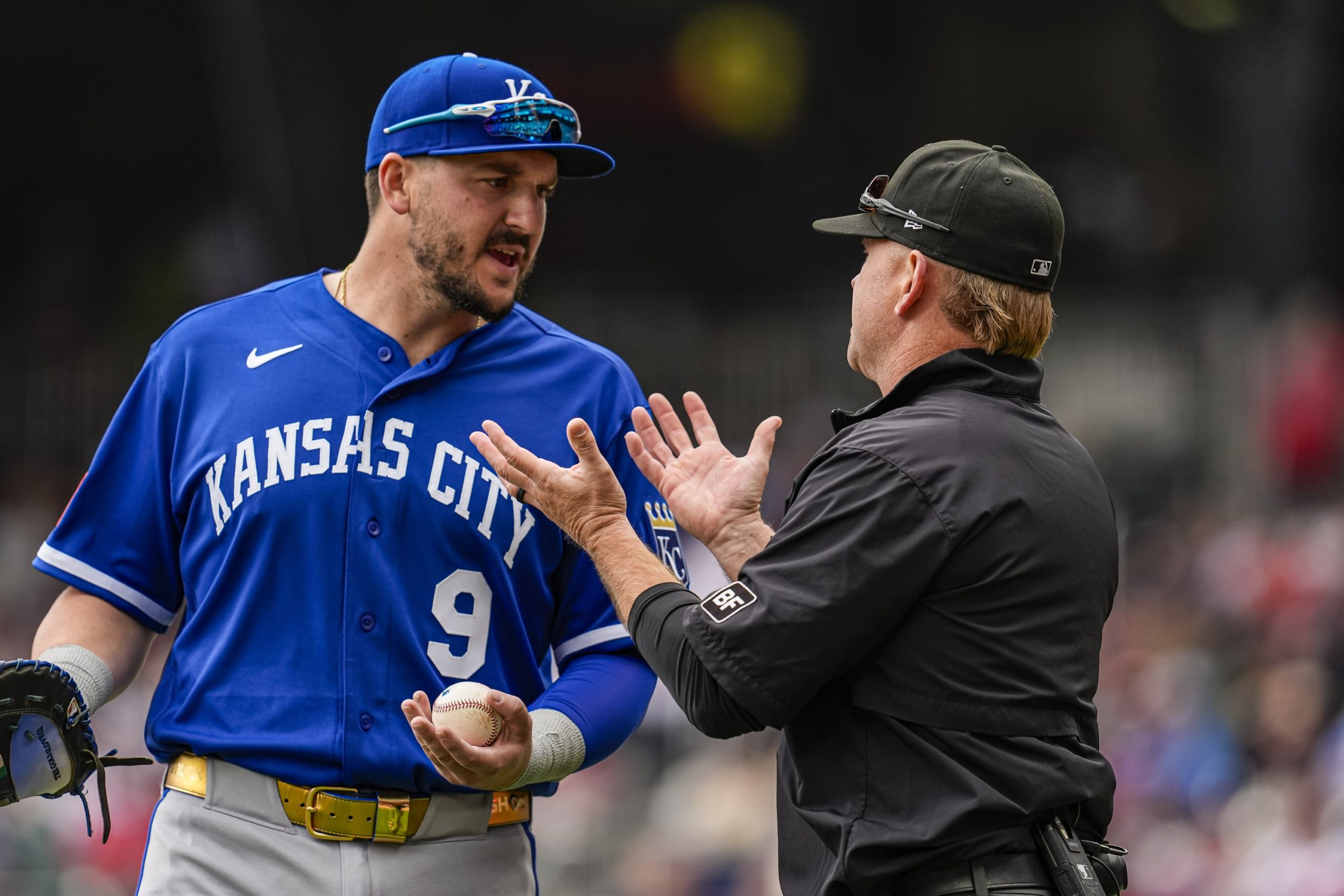
Image Credit: © Dale Zanine-Imagn Images
Data Credit: https://baseballsavant.mlb.com/abs
The 2026 season marks a historic shift in Major League Baseball with the official debut of the ABS Challenge System. Unlike a fully automated "robot ump" that calls every pitch, this system keeps the human umpire in control while giving players a high-tech "safety net" for missed calls.
Here is the definitive guide on how MLB ABS works in the regular season and how it effects MLB odds.

What is ABS in MLB?
ABS stands for Automated Ball-Strike System. In its current Major League form, it is a challenge-based replay system used to verify the accuracy of a home plate umpire's call.
The goal is to maintain the "human element" of the game—including the art of catcher framing and the traditional flow of an umpire’s strike zone—while providing a way to correct clear errors on pivotal pitches.
How Many ABS Challenges are There in the MLB?
For the 2026 regular season, the rules regarding the number of challenges are strict:
- Initial Allowance: Each team starts the game with 2 challenges.
- The "Keep It" Rule: If a challenge is successful (the umpire’s call is overturned), the team retains that challenge.
- The "Loss" Rule: If the challenge is unsuccessful (the umpire's call is upheld), the team loses one of its challenges.
- Extra Innings: If a team enters the 10th inning (or any subsequent inning) with zero challenges remaining, they are granted one additional challenge for that inning. This does not "carry over" if unused.
How Does MLB ABS Work?
The system is powered by Hawk-Eye Innovations, using 12 high-speed optical cameras installed around the stadium to track the ball with a margin of error of approximately 1/6th of an inch.
1. The Human Call
The home plate umpire calls the pitch as they normally would. The game continues unless a player immediately initiates a challenge.
2. The Challenge Signal
Only three people on the field can trigger a challenge: the pitcher, the catcher, or the batter.
- The Signal: The player must immediately tap their cap or helmet (or vocalize the request) within roughly two seconds of the call.
- No Outside Help: Managers and coaches cannot signal for a challenge from the dugout. If an umpire suspects a player was tipped off by the dugout or a scoreboard replay, they can disallow the challenge.
3. The Digital Review
Once a challenge is signaled, the Hawk-Eye data is instantly processed.
- The Zone: The system uses a 2D plane at the midpoint of home plate. The vertical limits are personalized to each batter: the top is 53.5% of the batter's height, and the bottom is 27%.
- The Verdict: If any part of the ball touches any part of this digital rectangle, it is a strike.
4. The Big Screen Reveal
The result is sent to the umpire’s earpiece and simultaneously displayed as a 3D graphic on the stadium scoreboard and the television broadcast. The entire process typically takes less than 15 seconds.
Quick Summary Table
| Feature | Rule |
| Challenges per Game | 2 (Retained if successful) |
| Who Can Challenge? | Batter, Pitcher, or Catcher only |
| Challenge Signal | Tapping the top of the head/cap |
| Technology | Hawk-Eye (12-camera array) |
| Extra Innings | 1 new challenge if the team has none left |
| Time to Complete | ~14 seconds |
The new ABS system that has been implemented in the MLB is interesting because it challenges the age old adage "Don't argue balls and strikes". Now, you can literally challenge balls and strikes given that you have challenges remaining.
Featured News