How the 48-Team Format Changes World Cup Betting Markets

The 2026 FIFA World Cup isn't just an expansion; it’s a total structural overhaul. For the first time, 48 teams will compete in 12 groups of four, creating a massive 104-game schedule. For bettors, this "Bigger is Better" approach introduces mathematical variance and market inefficiencies that simply didn't exist in the 32-team era.
1. The "Safety Net" Effect: To Qualify Markets
In previous tournaments, finishing 3rd in your group meant an immediate flight home. In 2026, 8 of the 12 third-place teams will advance to the new Round of 32.
- The Betting Shift: In the 32-team format, a "Group of Death" often saw a giant fall early (e.g., Germany in 2018). Now, the mathematical probability of a top-seeded nation failing to advance has plummeted.
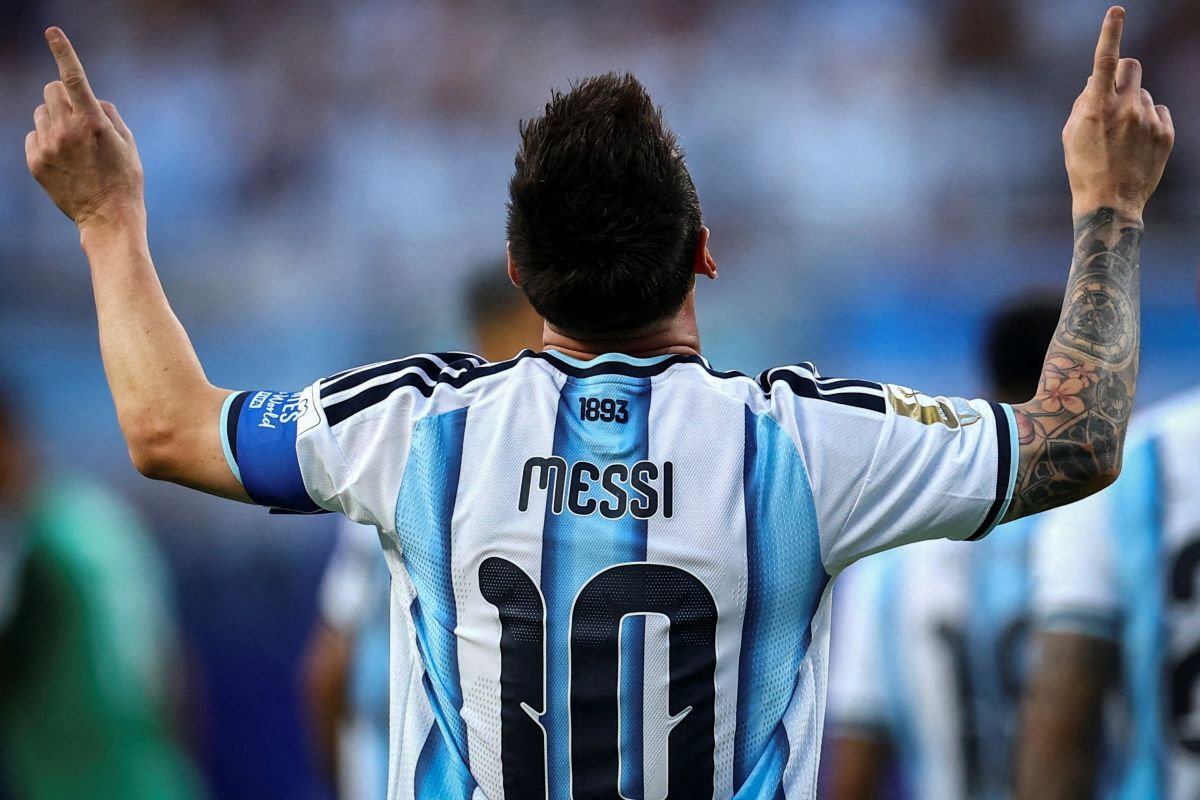
- Incentive Structure: Expect "To Qualify" odds for favorites like France or Argentina to be virtually unbackable (often -1000 or lower). However, this creates a "middle-class" value play. Mid-tier teams (e.g., Ecuador, Austria) only need a single win and a decent goal difference to almost guarantee a spot in the knockouts.
2. Bracket Expansion: The Long Road to the Final
For the first time, a team must play 8 matches to win the trophy, up from the traditional seven.
| Feature | 1998–2022 Format | 2026 Format |
| Total Teams | 32 | 48 |
| Total Matches | 64 | 104 |
| Knockout Rounds | 4 (Starts at R16) | 5 (Starts at R32) |
| Max Games/Team | 7 | 8 |
- Depth Matters More: In a 7-game sprint, a thin squad can ride a hot starting XI. In an 8-game marathon with travel across three countries (USA, Canada, Mexico), squad rotation is king. Look for "Outright Winner" value in teams with elite bench depth rather than just a superstar-heavy front line.
3. The Golden Boot: High-Ceiling "Stat Padding"
The 48-team expansion brings in nations that traditionally wouldn't qualify. This creates a wider talent gap in the group stages.
- Market Alpha: Professional bettors are eyeing the Golden Boot (Top Scorer) market. Strikers from elite teams paired with "debutant" nations in the group stage have a high probability of "stat-padding."
- Historical Base Rate: In 2022, the winner (Mbappé) had 8 goals. With an extra knockout game and potentially weaker group opponents, the 2026 winner may need 10+ goals, a feat not seen since Gerd Müller in 1970.
4. Tactical Draws and the "Disgrace of Gijón" Risk
The "Best 3rd Place" rule creates weird incentives in Matchday 3.
- The Angle: If two teams know a draw guarantees both of them advancement (even as a 3rd place team), the "Draw" price in the 1x2 market will likely crash. Analytical bettors should monitor the live standings of other groups; if the 3rd-place bar is set low (e.g., 3 points, -1 GD), teams in later groups will play more conservatively once they hit that threshold.
5. Market Pricing and "Obscure" Nations
With 48 teams, sportsbooks have to price up nations with significantly less historical data and thinner global betting liquidity.
- Wider Margins: You will likely see wider margins on matches involving lower-ranked AFC or CAF teams.
- The Upset Math: While the individual probability of a massive underdog winning remains low, the frequency of these matches has increased. More matches = more opportunities for a +1000 underdog to wreck a parlay.
Summary for Bettors
The 2026 World Cup is less about finding the best team and more about finding the team that can survive the physical toll of the extra round. Focus on Asian Handicaps for lopsided group matches and look for Each-Way value in the Golden Boot market for strikers facing the 48th-ranked qualifiers.
Soccer News
-
 SOCCER AUG 17, 2026
2026-27 Premier League Odds: Arsenal Favored to Repeat
- SOCCER JUL 20, 2026
2030 World Cup Futures Odds: Reigning Champ Spain Opens as Favorite
- SOCCER JUL 20, 2026
World Cup 2026 Central
- SOCCER JUL 19, 2026
Spain vs. Argentina Odds: World Cup Final Lines, Spreads, Betting Trends
- SOCCER JUL 15, 2026
World Cup: England vs. Argentina Odds, Lines, Spreads, Betting Trends
- SOCCER JUL 17, 2026
Spain vs Argentina Prediction, Picks, Odds