Groundhog Day Odds: How Accurate Is The Groundhog?

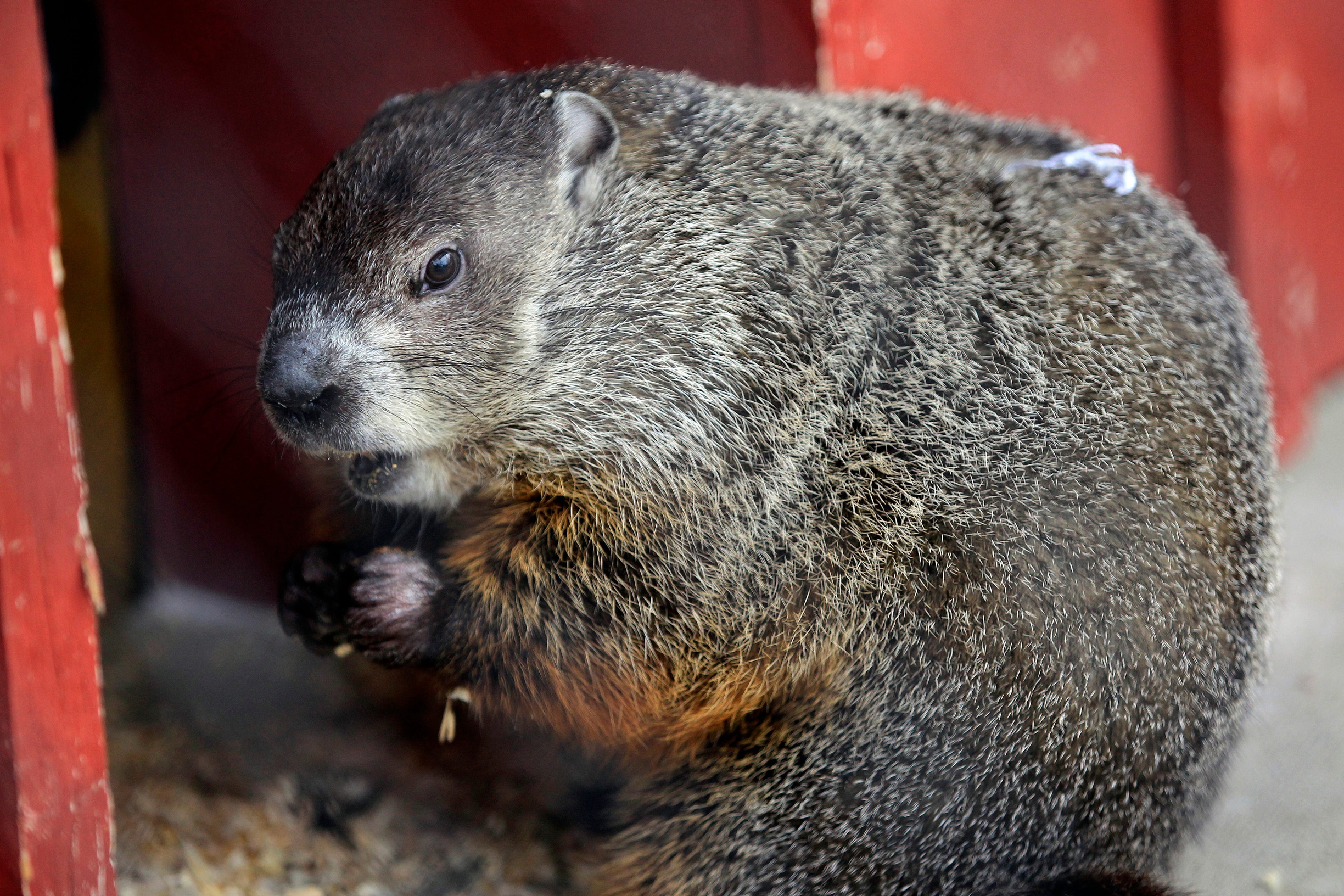
Every February 2, Americans look to a ground dwelling rodent to predict the weather.
According to tradition, if a groundhog sees its shadow, we’re in for six more weeks of winter. No shadow means an early spring.
But if Groundhog Day were treated like a betting market, how reliable would those predictions actually be?
To find out, we analyzed 25 years of Groundhog Day forecasts and compared them against real nationwide weather data to calculate the true “odds” of groundhogs being right.
The results? Punxsutawney Phil might want to watch his back; A quarter could almost take his job.
Key Findings
- Groundhog predictions are only right 52.00% of the time.
- Since 2000, every single longer winter prediction has missed.
- Spring predictions have been right 86.67% of the time.
Groundhog Prediction Odds
| Prediction Type | Correct | Incorrect | Accuracy | Odds |
| Longer Winter | 0 | 10 | 0.00% | Off the board |
| Early Spring | 13 | 2 | 86.67% | -650 |
| Overall (Any Prediction) | 13 | 12 | 52.00% | -108 |
*These odds aren't available on any reputable sportsbook. You can see actual betting odds with this bet365 Bonus Code. Sadly, no professional team has a groundhog mascot.
A Breakdown Of 25 years Of Predictions
| Year | Prediction | Was it correct? |
| 2000 | Longer winer | Incorrect |
| 2001 | Early spring | Incorrect |
| 2002 | Longer winer | Incorrect |
| 2003 | Early spring | Correct |
| 2004 | Longer winer | Incorrect |
| 2005 | Longer winer | Incorrect |
| 2006 | Longer winer | Incorrect |
| 2007 | Early spring | Correct |
| 2008 | Early spring | Correct |
| 2009 | Longer winer | Incorrect |
| 2010 | Early spring | Incorrect |
| 2011 | Early spring | Correct |
| 2012 | Early spring | Correct |
| 2013 | Longer winer | Incorrect |
| 2014 | Longer winer | Incorrect |
| 2015 | Early spring | Correct |
| 2016 | Early spring | Correct |
| 2017 | Early spring | Correct |
| 2018 | Early spring | Correct |
| 2019 | Longer winer | Incorrect |
| 2020 | Tie | Incorrect |
| 2021 | Early spring | Correct |
| 2022 | Early spring | Correct |
| 2023 | Longer winer | Incorrect |
| 2024 | Early spring | Correct |
| 2025 | Early spring | Correct |
*2020 was excluded from our calculations due to being a tie
What does this mean for Groundhog Day 2026?
Statistically speaking, groundhogs aren’t particularly good meteorologists. Looking at the past 25 years, the groundhog has been right just over half the time, barely better than chance.
When we break the odds down by season, it gets a little messier. A longer winter hasn't hit correctly in 25 years, making it effectively unbettable in its sheer implausibility.
History suggests Groundhog Day only works when it predicts an early spring. When it calls for a longer winter, it almost always gets it wrong.
If Groundhog Day predictions actually traded in real markets, platforms like Kalshi and other prediction market apps would likely price Phil’s forecast close to a coin flip.
Methodology
Groundhog Day prediction data from 2000–2025 was collected using the Groundhog Day API, which aggregates forecasts from multiple groundhogs each year not just the infamous Punxsutawney Phil .
The final outcome for each year ( “Early Spring” or “Longer Winter”) was determined by majority consensus.
NOAA’s National Centers for Environmental Information (NCEI) was used to determine monthly average U.S. temperatures for February and March were used. A long-term baseline Feb–Mar average was calculated using 131 years of data (1895–2025).
For each year in the study period, the observed February–March average temperature was compared against this historical baseline. Years were classified as either warmer than baseline or colder than baseline.
A groundhog prediction was considered correct if:
- An Early Spring prediction aligned with a warmer-than-baseline February–March period, or
- A Longer Winter prediction aligned with a colder-than-baseline February–March period.
Overall accuracy was calculated as the percentage of correct predictions across the full years. 2020 was a tie and excluded from the data, leaving 25 years of data.
You can see the full data here.
Entertainment News
-
 ENTERTAINMENT MAR 4, 2026
Oscars 2026: Records That Could Be Broken
- ENTERTAINMENT MAR 3, 2026
Las Vegas Weather Odds: Highest Temperatures in Las Vegas Today
- ENTERTAINMENT MAR 25, 2026
Odds to Win Survivor Season 50
- ENTERTAINMENT FEB 10, 2026
Survey: The Most Wanted Headliner For The Super Bowl 2027 Halftime Show
- ENTERTAINMENT JAN 28, 2026
Super Bowl LX Halftime Show Survey: The Most Wanted Songs & Guest Performers
- ENTERTAINMENT JAN 26, 2026
2026 Grammy Awards: Records That Could Be Broken!