

The Most Stressed NFL Fan Bases of the 2025 Season
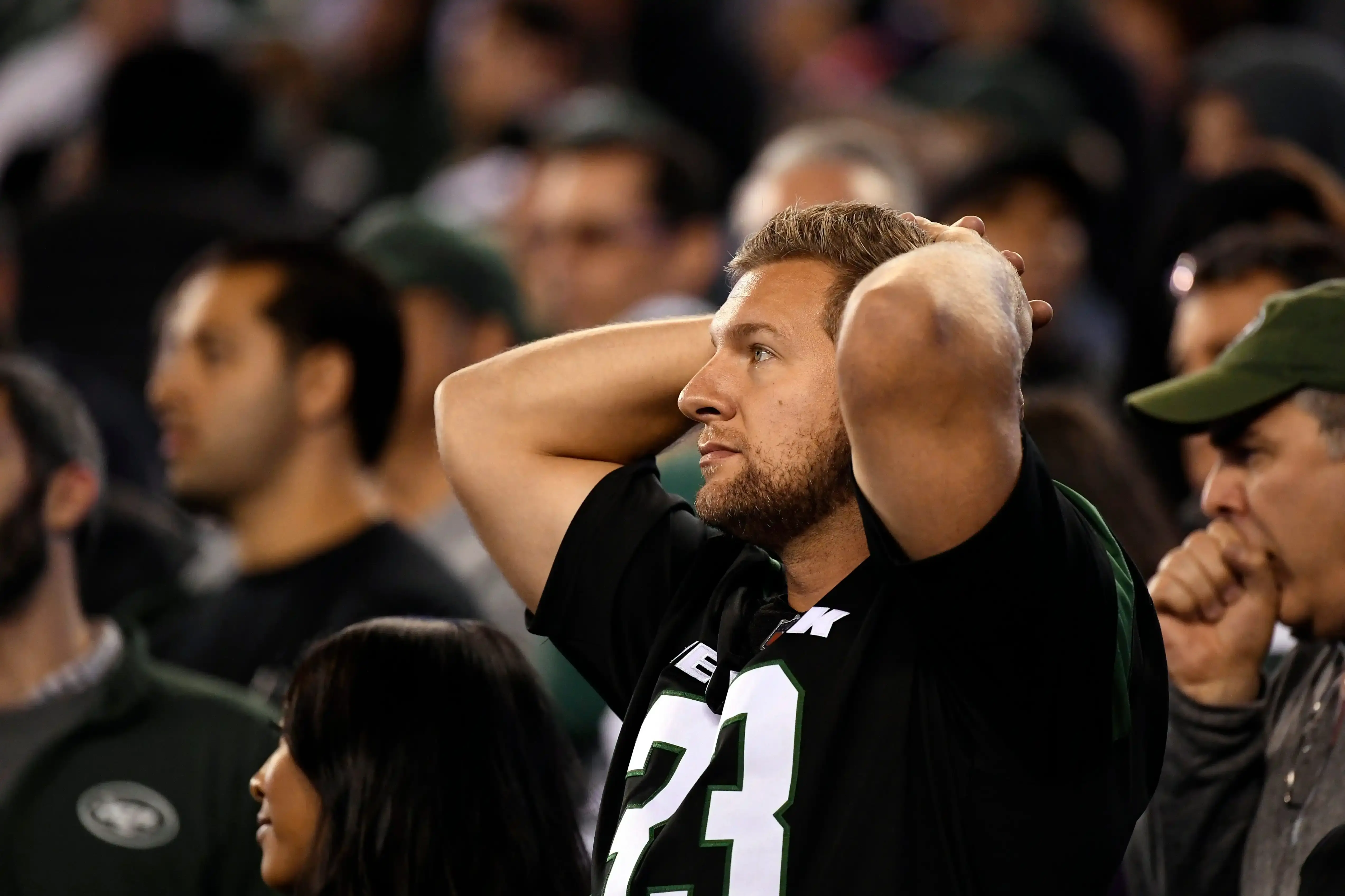
With Super Bowl LX now in the books, the 2025 NFL season is officially complete — and for many fan bases, it felt less like a season and more like a weekly stress test.
Some teams made every Sunday feel tense. Games stayed close deep into the fourth quarter. Momentum flipped without warning. Mistakes arrived at the worst possible moments. Injuries erased any sense of comfort. Even wins often came with a final few minutes that felt anything but safe.
To measure that week-to-week strain, VegasInsider created the Fan Stress Index — a team-by-team view of how emotionally demanding the regular season felt for fans, from Week 1 through Week 18. In many cases, game flow and final outcomes looked very different from what weekly NFL odds had projected.
Note: To keep comparisons fair across all 32 teams, this study only uses regular-season games. Postseason football naturally carries higher stakes and added pressure for qualifying teams, so playoff results were excluded from the index
Key Highlights
- Dallas Cowboys fans faced the most consistent in-game stress in the NFL.
Dallas ranked first overall with the league’s highest Fan Stress Index at 62.75, driven by frequent penalties (2.59 per game) and a solid 8.60% fan negativity rate, signaling frustration even during competitive performances. - Jets fans showed the highest frustration levels, even without overtime drama.
The New York Jets posted the highest fan negativity rate in the Top 10 at 16.60%, paired with extremely narrow wins (3.67 average margin), suggesting stress came from razor-thin games rather than extra-time finishes. - Injuries were a major stress multiplier for multiple top-ranked teams.
Arizona (315 games missed) and San Francisco (220 games missed) both ranked inside the Top 10, showing how sustained injury pressure can keep fans tense regardless of game results. - Discipline issues consistently raised stress levels among top-ranked teams.
Several teams in the Top 10 averaged close to or above two penalties per game, including Dallas (2.59), the Giants (2.71), and Washington (2.41), showing how frequent flags and stalled drives kept games unstable and fan stress elevated.
How Fan Stress Was Measured
Fan stress is not just about wins and losses. It comes from how unstable games feel while they are being played.
To capture that, VegasInsider created a Fan Stress Index scored out of 100, where higher scores indicate more stressful seasons for fans.
The index combines seven signals that tend to raise emotional pressure over the course of a season:
- Overtime games: how often games were pushed beyond regulation
- Average winning margin: average point differential in wins only, showing how close victories stayed rather than pulling away — a signal that can be outweighed by penalties, injuries, or late-game volatility
- Turnovers per game: how often mistakes shifted momentum
- Penalties per game: accepted, drive-impacting penalties that disrupted possessions or extended opponents’ chances, rather than total flags thrown
- Close games: games with lead changes in the final five minutes
- Games missed to injury: total games lost to injury, reflecting sustained lineup instability over the season
- Fan negativity rate: the share of online fan discussion expressing frustration, adjusted for fanbase size
Most game-related metrics are measured per game across the season, while injuries and fan sentiment reflect season-long impact.
Each team’s Final Index score reflects how frequently these stressors appeared across the year, offering a single, easy-to-read measure of how emotionally demanding it was to follow that team in 2025.
Top 10 Most Stressed NFL Fan Bases in 2025
1. Dallas Cowboys
Fan Stress Index (Out of 100): 62.75
Stress profile
- Overtime games: 2
- Average winning margin: 10 points
- Turnovers per game: 1.24
- Penalties per game: 2.59
- Close games: 2
- Games missed to injury: 203
- Fan negativity rate: 8.60%
Dallas fans dealt with a season that rarely settled early. Games often stayed tight into the final minutes, mistakes interrupted momentum, and penalties added extra tension. Injuries left the team with little room to recover when things went wrong, which kept pressure high even in games they controlled for stretches.
2. Indianapolis Colts
Fan Stress Index (Out of 100): 61.14
Stress profile
- Overtime games: 2
- Average winning margin: 16.13 points
- Turnovers per game: 1.35
- Penalties per game: 1.82
- Close games: 5
- Games missed to injury: 236
- Fan negativity rate: 10.30%
Colts fans experienced a season filled with prolonged tension. Games regularly stayed competitive deep into the fourth quarter, and repeated close finishes made outcomes feel unresolved until late. Injuries added another layer of stress, limiting stability and keeping fans on edge even during winning stretches.
3. New York Giants
Fan Stress Index (Out of 100): 60.99
Stress profile
- Overtime games: 2
- Average winning margin: 15.25 points
- Turnovers per game: 1.00
- Penalties per game: 2.71
- Close games: 4
- Games missed to injury: 243
- Fan negativity rate: 6.30%
Giants fans watched a season shaped by inconsistency. Discipline issues repeatedly disrupted flow, games tightened late, and momentum often felt fragile. Injuries reduced flexibility, which meant even small mistakes carried outsized consequences as games wore on.
4. Arizona Cardinals
Fan Stress Index (Out of 100): 57.68
Stress profile
- Overtime games: 1
- Average winning margin: 7.33 points
- Turnovers per game: 1.24
- Penalties per game: 1.47
- Close games: 5
- Games missed to injury: 315
- Fan negativity rate: 6.80%
Cardinals fans endured a season where comfort was rare. Games frequently stayed tight, late swings were common, and injuries constantly reshaped expectations. With so many players unavailable, leads felt unstable and fans rarely felt confident protecting an advantage.
5. Atlanta Falcons
Fan Stress Index (Out of 100): 57.61
Stress profile
- Overtime games: 2
- Average winning margin: 7.5 pointsTurnovers per game: 1.06
- Penalties per game: 1.88
- Close games: 4
- Games missed to injury: 193
- Fan negativity rate: 4.80%
Falcons fans followed a season full of prolonged tension. Games struggled to break open, late moments carried extra weight, and extended pressure became a weekly pattern. Injuries narrowed the margin for error and made late-game situations feel even more demanding.
6. Chicago Bears
Fan Stress Index (Out of 100): 56.41
Stress profile
- Overtime games: 1
- Average winning margin: 8 points
- Turnovers per game: 0.65
- Penalties per game: 1.53
- Close games: 6
- Games missed to injury: 160
- Fan negativity rate: 5.00%
Bears fans spent much of the season locked into close finishes. Games consistently carried into high-pressure situations, separation was rare, and outcomes stayed uncertain late. The volume of tight contests turned stress into a constant rather than an occasional feeling.
7. Cincinnati Bengals
Fan Stress Index (Out of 100): 53.41
Stress profile
- Average winning margin: 12 points
- Turnovers per game: 1.41
- Penalties per game: 2.18
- Close games: 6
- Games missed to injury: 122
- Fan negativity rate: 11.50%
Bengals fans experienced stress driven by volatility. Mistakes disrupted rhythm, penalties stalled momentum, and repeated close games kept pressure high. Even without overtime finishes, games rarely felt secure until the final minutes.
8. Washington Commanders
Fan Stress Index (Out of 100): 53.04
Stress profile
- Overtime games: 2
- Average winning margin: 12.8 points
- Turnovers per game: 1.35
- Penalties per game: 2.41
- Close games: 1
- Games missed to injury: 167
- Fan negativity rate: 13.20%
Commanders fans dealt with sudden shifts in control. Overtime appearances, mistakes at key moments, and penalties kept games unpredictable. Injuries added pressure by reducing the team’s ability to stabilize when momentum started to turn.
9. New York Jets
Fan Stress Index (Out of 100): 52.55
Stress profile
- Average winning margin: 3.67 points
- Turnovers per game: 1.35
- Penalties per game: 1.24
- Close games: 3
- Games missed to injury: 203
- Fan negativity rate: 16.60%
Jets fans followed a season where very little felt safe. Wins stayed narrow, mistakes carried extra weight, and injuries removed flexibility. With games often balanced on a single moment, tension remained high even when outcomes leaned positive.
10. San Francisco 49ers
Fan Stress Index (Out of 100): 52.26
Stress profile
- Overtime games: 1
- Average winning margin: 9.92 points
- Turnovers per game: 1.29
- Penalties per game: 1.35
- Close games: 3
- Games missed to injury: 220
- Fan negativity rate: 4.20%
49ers fans experienced stress built through accumulation. Games tightened late, availability issues lingered, and mistakes prevented clean finishes. Even when control seemed possible, pressure stayed present deep into games.
The Least Stressed Fan Bases This Season
At the other end of the spectrum, several teams experienced noticeably lower fan stress despite varied on-field outcomes. Fan bases like New England, the Rams, Detroit, and Tennessee consistently ranked near the bottom of the Fan Stress Index, driven by a combination of cleaner play, fewer close-game swings, and limited overtime exposure. Even when injuries or narrow margins were present, games tended to feel more controlled and predictable.
Notably, some teams in this group still showed elevated online negativity — Tennessee (11.10%) being the clearest example — underscoring that frustration does not always translate to in-game stress. Overall, these fan bases benefited from steadier game flow and fewer self-inflicted disruptions, reinforcing the idea that discipline and control play a major role in how stressful a season feels week to week.
What Actually Drove Fan Stress the Most
Across the league, most stress indicators varied widely by team, but penalties stood out as the most consistent differentiator. Fan bases watching more disciplined teams generally experienced lower stress levels, underscoring how frequent flags and disrupted game flow amplify fan anxiety beyond wins and losses.
Why This Matters Heading Into the Super Bowl
With the Super Bowl set to deliver the highest-pressure environment of the season, the Fan Stress Index provides context for how pressure tends to manifest when stakes are highest.
Season-long patterns often resurface in the biggest moments. Teams accustomed to volatility may find those swings intensified, while fans of steadier teams are more likely to experience confidence rather than tension as the margin for error disappears.
That tension, however, rarely drives fans away. Even in the most demanding seasons, NFL audiences remain deeply engaged from kickoff to the final whistle.
As the league’s biggest game draws near, attention shifts to how teams are trending at the right time — and how fans are choosing to stay involved. Those looking to track the latest developments can explore current Super Bowl odds and featured promotions, including offers available through the BetMGM bonus code.
Methodology: How the Fan Stress Index Was Measured
The Fan Stress Index measures how emotionally demanding it was to follow each NFL team during the 2025 season — focusing on how games felt, not just wins and losses.
The index combines seven indicators that consistently raise in-game tension and season-long uncertainty:
- Overtime games (higher = more stress)
Number of games that went beyond regulation. More overtime games increase stress. - Average winning margin (lower = more stress)
Average point margin in wins only. Smaller margins mean wins stayed tense longer and increase stress. - Turnovers per game (higher = more stress)
Average turnovers committed per game. More turnovers create volatility and raise stress. - Penalties per game (higher = more stress)
Accepted, drive-impacting penalties per game. Frequent penalties disrupt game flow and elevate stress. - Close games (higher = more stress)
Games with lead changes in the final five minutes. More late swings increase stress. - Games missed due to injury (higher = more stress)
Total player games missed over the season. Higher totals reflect greater lineup instability. - Fan negativity rate (higher = more stress)
Share of online fan discussion expressing frustration. Higher rates indicate greater fan stress.
Each metric was standardized to allow fair comparison across teams. Metrics where lower values indicate higher stress — such as winning margin — were adjusted so higher scores consistently reflect greater fan stress.
All seven factors were weighted equally and averaged into a single 0–100 Fan Stress Index score, balancing game volatility, lineup stability, and fan sentiment without over-prioritizing any one signal.
Data Sources
1. Game Data — Pro-Football Reference
Collected on a per-team, per-game basis:
- Overtime games
- Point margins in wins
- Turnovers
- Penalties conceded
- Close games (lead changes in the final five minutes)
2. Injury Data — Spotrac NFL Injuries
- Total player games missed per team, capturing season-long availability strain
3. Fan Sentiment Data — Reddit
- Team-specific subreddit comments analyzed using sentiment and keyword indicators
- Negative comment volume used as a proxy for fan frustration
- Sentiment adjusted to allow comparison across fanbases of different sizes