Who Will Win the US Senate? 2026 Senate Control Odds & Predictions

Featured Image Credit: © Jack Gruber-USA TODAY
Here are the latest odds for which political party will win the House in the 2026 midterm elections. New users can click below to use our Kalshi promo code and sign up for the prediction market today. Also check out the latest odds on which party will control the US House.

2026 US Senate Context & History
The Majority Threshold
Following the 2024 elections, Republicans hold a 53–47 majority (including two independents who caucus with the Democrats).
- To flip the Senate: Democrats need a net gain of 4 seats to reach a 51-seat majority.
- To retain control: Republicans can lose up to 2 seats and maintain a 51-49 advantage.
The Midterm "Coattail" Effect
Historically, the party occupying the White House faces "midterm headwinds." Voters often use the first midterm election of a presidency to express dissatisfaction with the administration, which typically results in seat losses for the president's party. However, Senate maps are idiosyncratic; because only one-third of the chamber is up for election, the specific states in play often matter more than national swings.
Presidential odds also show a reflection of the political climate. You can check the latest republican nominee odds and democratic nominee odds.
The 2026 Senate Map: Key Battlegrounds
The Class II Senate map for 2026 includes 20 Republican-held seats and 13 Democratic-held seats. While Republicans are defending more territory numerically, many of those seats are in "Solid South" or "Mountain West" strongholds.
Vulnerable Democratic Seats
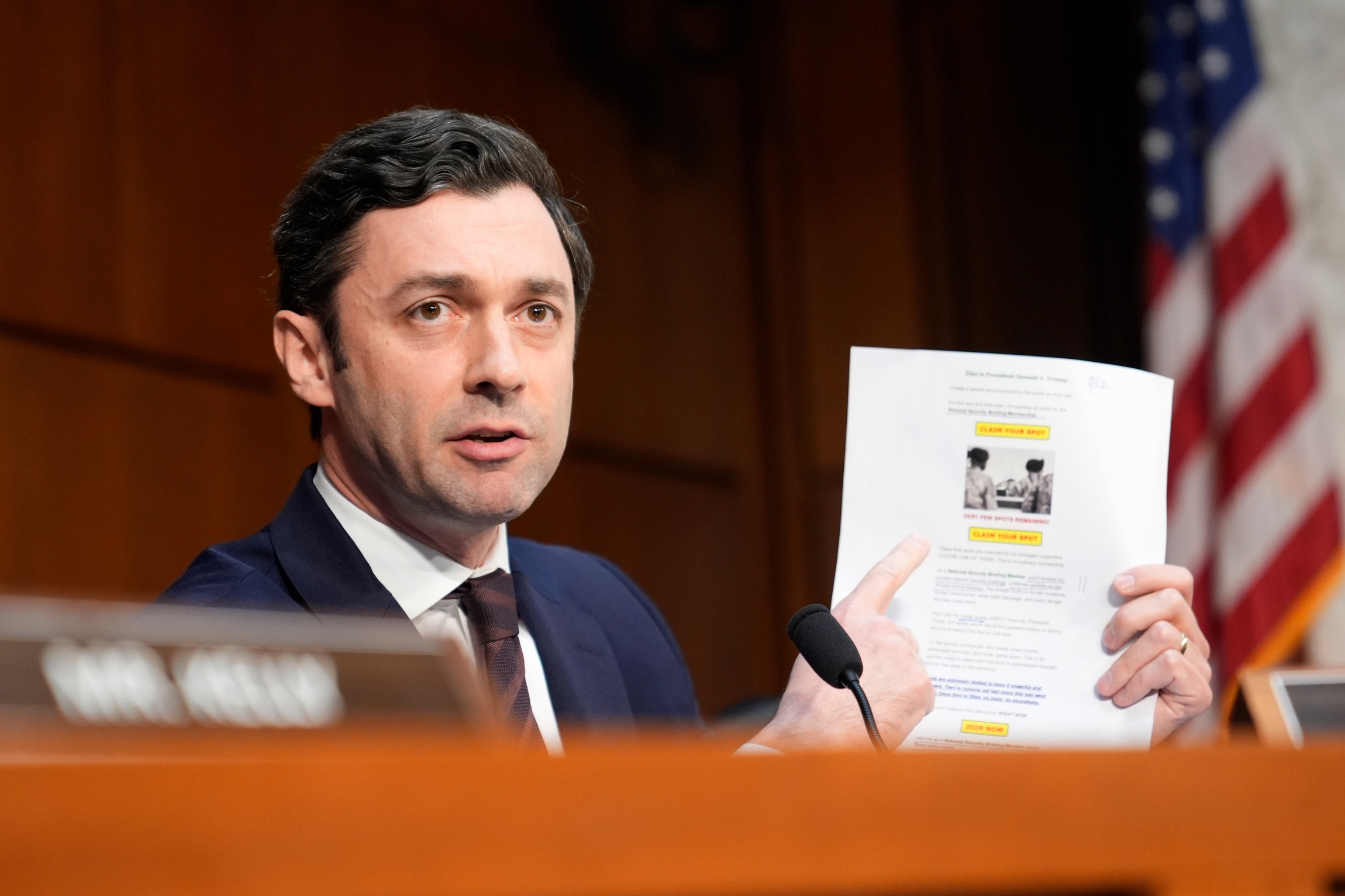
- Georgia: Incumbent Jon Ossoff is widely considered the most vulnerable Democrat. Georgia has trended toward "purple" status, but Republicans are expected to mount a massive campaign to reclaim this seat in a state that remains a top-tier presidential battleground.
- Michigan (Open): Following the retirement of Senator Gary Peters, Michigan presents a major pickup opportunity for Republicans. High-profile names like former Rep. Mike Rogers (R) and Rep. Haley Stevens (D) have been linked to this race.
- Minnesota (Open): The retirement of Senator Tina Smith has opened up a seat in a state that has leaned Democratic but seen increasingly tight margins in recent cycles.
Vulnerable Republican Seats
- Maine: Senator Susan Collins is the only Republican defending a seat in a state won by the Democratic presidential candidate in 2024. While Collins has a history of cross-party appeal, she remains a primary target for national Democratic groups.
- North Carolina (Open): With Senator Thom Tillis announcing his retirement, North Carolina becomes a "Toss-Up" race. Former Governor Roy Cooper (D) is considered a top-tier recruit for Democrats in a state that typically sees razor-thin margins.
- Special Elections: Special elections in Ohio (for J.D. Vance’s seat, currently held by appointee Jon Husted) and Florida (for Marco Rubio’s seat, currently held by appointee Ashley Moody) add extra volatility to the cycle.
Retirements and Open Seats
The 2026 cycle is marked by several "heavyweight" departures that fundamentally change the odds in their respective states:
Steve Daines (R-MT): A surprising retirement in a reliably red state that nevertheless draws national attention. favorable maps in the South provide a significant structural buffer.
Mitch McConnell (R-KY): The longtime GOP leader’s retirement ends an era in Kentucky politics.
Dick Durbin (D-IL): The Senate Majority Whip’s exit leaves a powerful vacancy in Illinois.
Featured News
-
 FEATURED MAR 23, 2026
Who Will be the Next North Carolina Basketball Head Coach?
- FEATURED MAR 23, 2026
2026 March Madness Odds: Lines, Spreads, Betting Trends for Sweet 16
- FEATURED MAR 23, 2026
The U.S. States Where You’re Most Likely to Win the Lottery
- FEATURED MAR 20, 2026
Mastering the FanDuel CBB Early Win: Strategies for the 10-Point Lead
- FEATURED MAR 19, 2026
bet365 Early Payout Strategy: How to Win the 10-Point Lead Promo
- FEATURED MAR 23, 2026
2026 March Madness Second Round Odds: Lines, Spreads, Betting Trends