How to Trade on Fantasy Football on Prediction Markets

Every fantasy football draft has the same moment. You're on the clock, two names are staring back at you, and you'd give almost anything for a straight answer on which one actually leads the position in points come January. Rankings can only tell you so much — they're one analyst's opinion, updated once a week if you're lucky. Kalshi's answer is different: a live, tradable market where anyone can put real money behind the running back, receiver, or quarterback they think finishes the year on top.
Updated on 10/5/26

That's the part of Kalshi that fantasy players tend to overlook. Most of the coverage around the exchange focuses on the Super Bowl board or the MVP race, and those get the headlines because the numbers are big and the storylines are obvious. But tucked into the same NFL section are contracts built specifically around fantasy production — will this back or that receiver score the most fantasy points at his position this season, and who's the top scorer at the position, period. It's essentially a season-long, crowd-priced version of the argument you're already having in your group chat, except this one settles for cash.
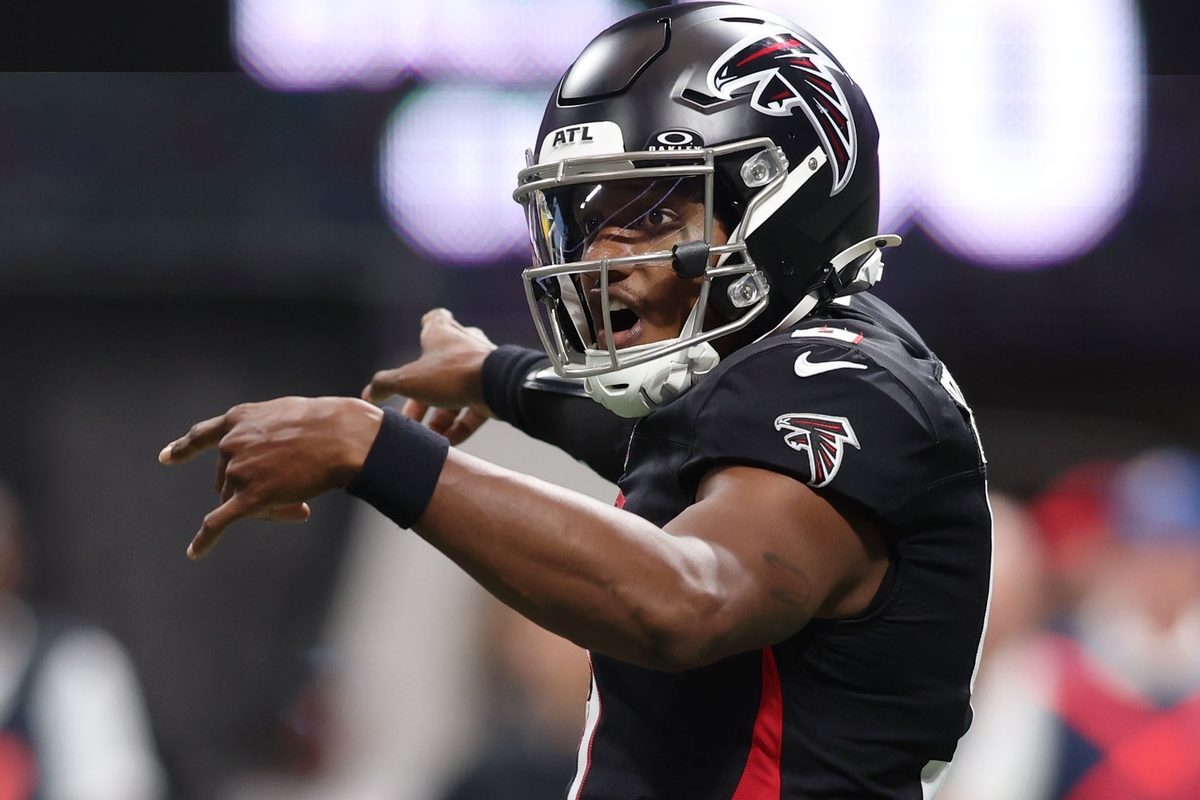
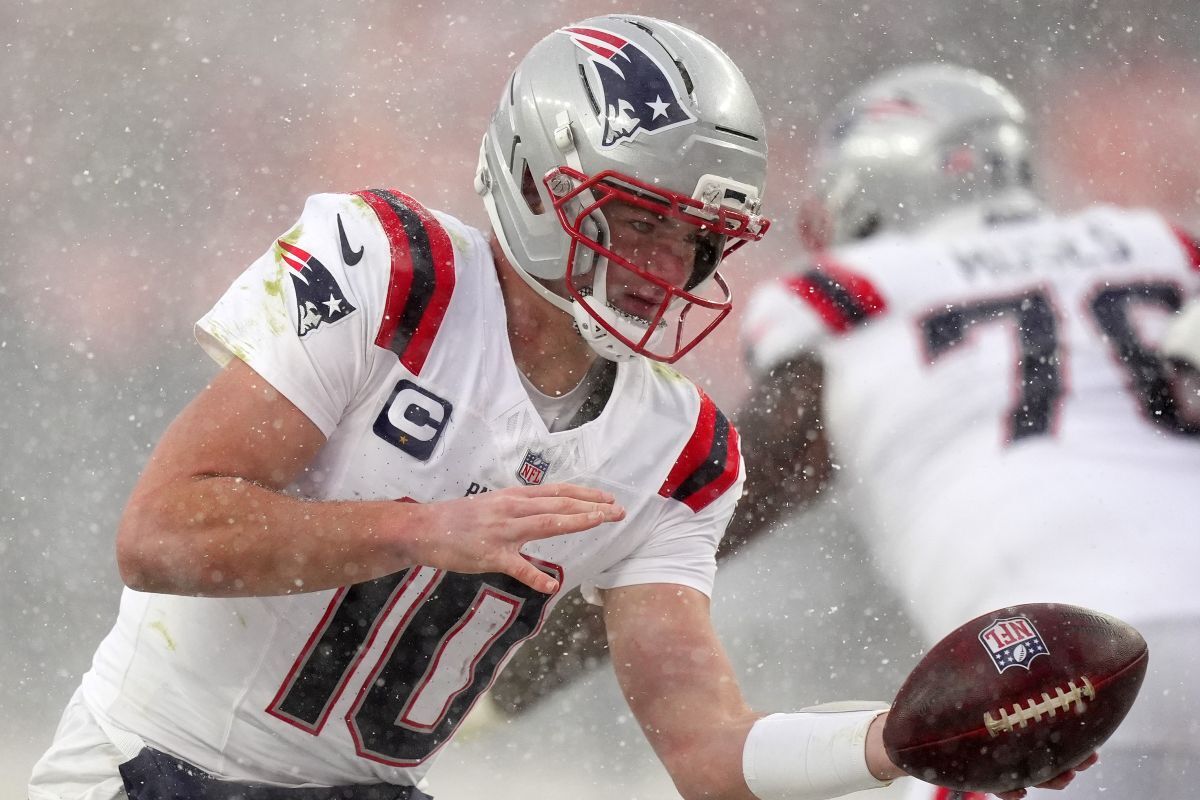
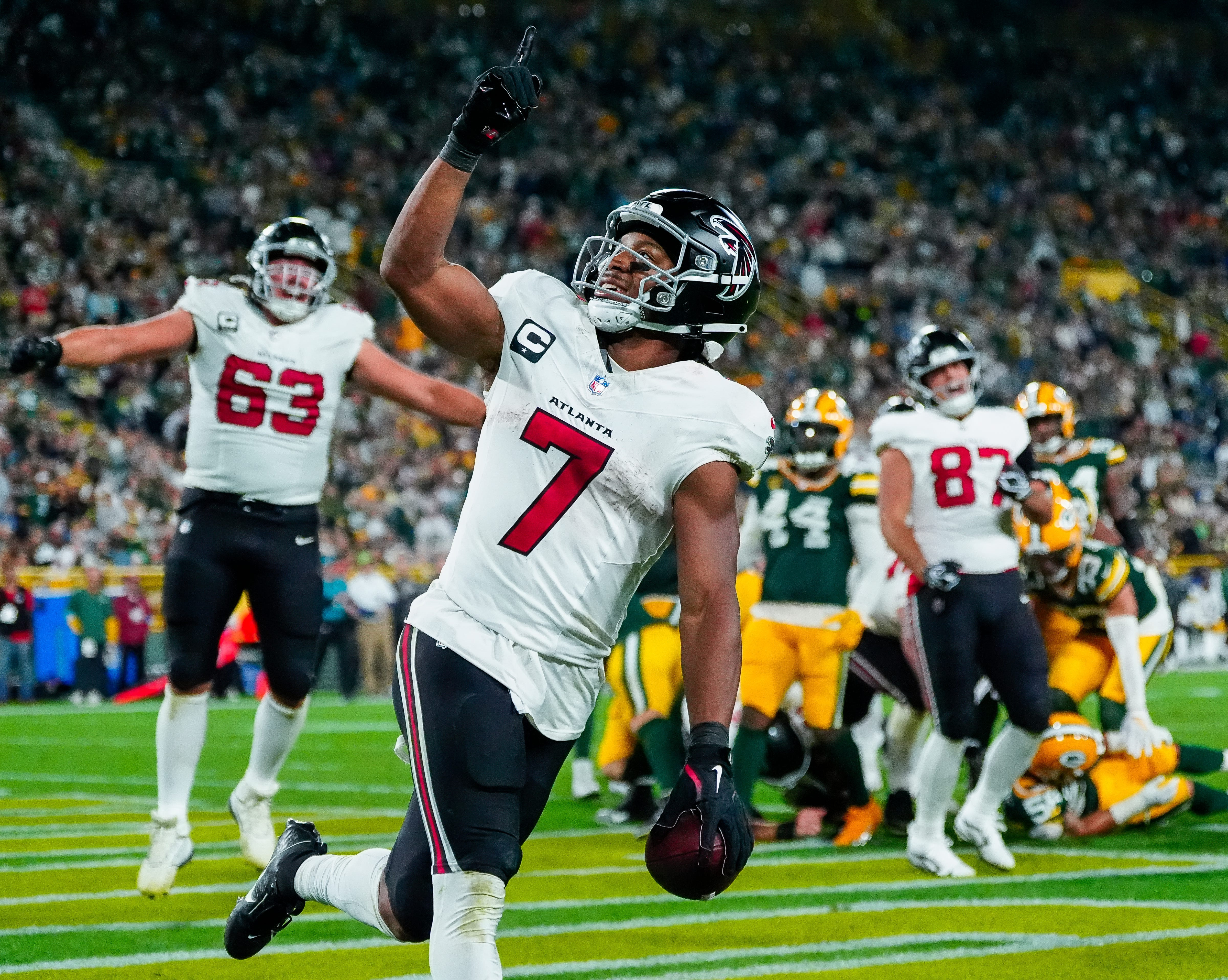
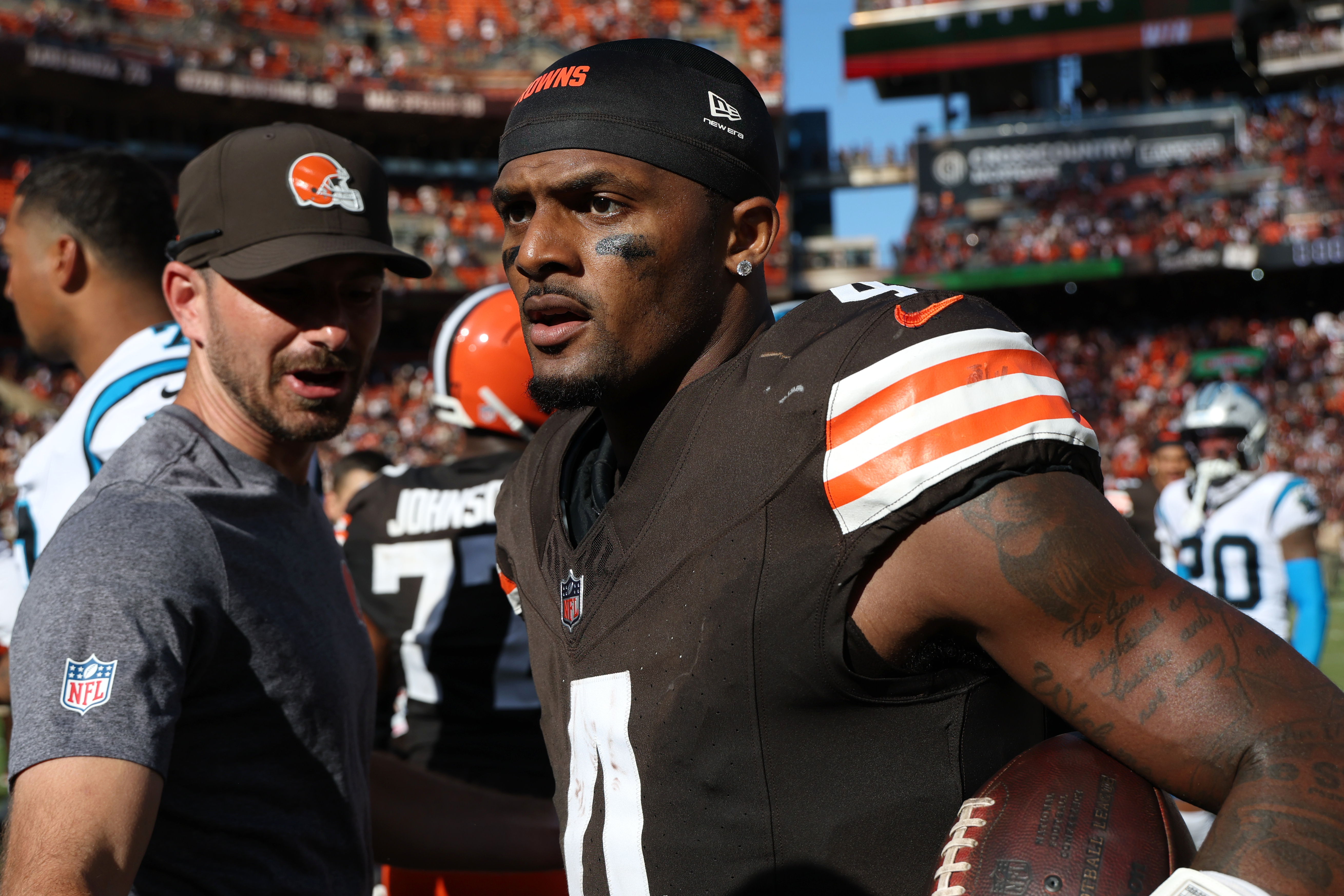
Kalshi offers markets where users can trade on who will finish as the top fantasy football RB, WR, QB, etc. In addition to trading on who will (or won't) finish on the top, traders can also jump into markets such as "top-5 fantasy TE" and other postitions.
What These Markets Actually Look Like
The mechanics are simple even if the concept is new to a lot of people. Kalshi lists a contract for an outcome — "Bijan Robinson leads all running backs in fantasy points" is the kind of question you'd see — and that contract trades somewhere between a penny and a dollar. The price is the market's real-time read on the odds. If a contract is sitting at 20 cents, the crowd collectively thinks that outcome has roughly a 1-in-5 shot. Buy it for less than you think it's worth, and if it hits, it pays a dollar. It's not a bet in the sportsbook sense of "risk $110 to win $100." It's closer to buying a share of stock in a player's season.
What makes it worth a fantasy manager's attention is that these prices move constantly, and they move on the same information that's shaping your own rankings. A training camp report, a depth chart shakeup, a quarterback change — all of it gets priced in within minutes by people who have actual money riding on the outcome. That's a different animal than a magazine ranking that gets locked in before Labor Day and doesn't budge.
Why It's Worth Watching, Even If You Never Trade a Contract
You don't have to fund a Kalshi account to get value out of this. Think of the boards as a free, constantly updating consensus. If you're trying to decide between two running backs for the last spot on your roster, and one of them is trading noticeably higher than the other on a "leading rusher in fantasy points" market, that's real signal — not because the market is always right, but because it's aggregating opinions and information faster than any single ranking site can.
It's also a nice gut check against your own bias. Every fantasy manager has a guy they're a little too attached to — the sleeper they drafted two years too early, the running back they've decided is "due." Watching where the broader market actually has that player priced, relative to your gut, is a useful, slightly humbling exercise before you reach for him in Round 4.
The Honest Caveats
These markets aren't oracles, and they shouldn't be treated as gospel. Prediction markets tend to be slower to react to news that hasn't broken widely yet, and they can overreact to name recognition the same way public bettors do at a sportsbook. A star player coming off a huge season will often carry a price that reflects last year's production more than this year's likely role. That's not a flaw exclusive to Kalshi — it's a feature of any market built on public sentiment — but it's worth remembering before you treat a contract price as a verdict.
There's also the practical side. Kalshi operates as a regulated exchange rather than a traditional sportsbook, which means funding methods, fees, and market availability can vary by state, and it's worth checking the current terms before moving money in. And because these are event contracts rather than standard bets, once you're in a position, there's no injury protection or refund if your player goes down in Week 3. You're trading on the full season, for better or worse.
The Bottom Line
Fantasy football has always been a game of conviction — you either believe in your guy or you don't. Kalshi's fantasy scoring markets just put a price tag on that belief and let you see, in real time, whether the rest of the football-watching world agrees with you. Whether or not you ever put money on it, that's a genuinely useful thing to have open in a tab next to your draft board this August.
Nfl News
-
 NFL OCT 5, 2026
NFL Week 4 Odds: Lines, Spreads, Betting Trends for Every Game
- NFL OCT 5, 2026
NFL Week 5 Odds: Lines, Spreads, Betting Trends for Every Game
- NFL SEP 30, 2026
2026 Monday Night Football Odds: Atlanta Falcons vs. New Orleans Saints Week 4
- NFL OCT 1, 2026
NFL Parlay Picks for Week 4
- NFL OCT 4, 2026
2026 Circa Survivor Pool: Week 4 Contestants Pile On Vikings, Ravens
- NFL OCT 2, 2026
2026-27 Super Bowl & NFL Futures Odds: Bills Now Co-Favorites With Rams