Golden Boot Odds: How Sportsbooks Price the Tournament’s Top Scorer

The Golden Boot is arguably the most volatile and mathematically driven market in the World Cup. Unlike "Outright Winner" odds, which track team quality, Golden Boot pricing is an intricate puzzle of individual volume, group-stage scheduling, and specific tournament tie-breakers.
For the 2026 tournament, the shift to 48 teams has fundamentally altered how sportsbooks structure these odds.
1. The Pricing Foundation: Volume and Minutes
Sportsbooks don't just price the "best" striker; they price the striker with the highest Expected Minutes (xM).
- The "Safety" Premium: Elite players like Kylian Mbappé (+500) or Harry Kane (+600) carry "safety premiums" because they are locks to start every match.
- The Fatigue Factor: In a 48-team, 8-game format, sportsbooks now bake in "rotation risk." A player on a deep squad like Brazil might see their odds lengthen if the book expects them to be rested in the third group match after early qualification.
2. The Role of "Dead Ball" Duties
The single biggest driver of Golden Boot price movement is penalty duty.
- The Harry Kane Precedent: In 2018, Harry Kane won the Golden Boot with 6 goals. 3 of those goals were penalties.
- Market Logic: If a striker is the designated penalty taker, their "floor" is significantly higher. When a team’s primary penalty taker is confirmed, their odds will often "crash" (shorten) by 15–20% instantly.
3. Group Stage "Buffet" Pricing
The 2026 expansion has created lopsided group pairings. This leads to "Stat-Padding" pricing.
- Group Difficulty: A world-class striker facing two debutant nations in the group stage will be priced significantly shorter than an equal-quality striker in a "Group of Death."
- Market Example: If Erling Haaland (Norway) were facing two Tier-4 nations, his price might open at +800. If those same opponents were Italy and Uruguay, that price could easily drift to +1400.
4. Tie-Breaker Mechanics: The "Assists" Rule
Bettors often overlook the FIFA tie-breaker, but oddsmakers don't. If two players are tied on goals, the award goes to:
- The player with the most assists.
- The player with the fewest minutes played (highest efficiency).
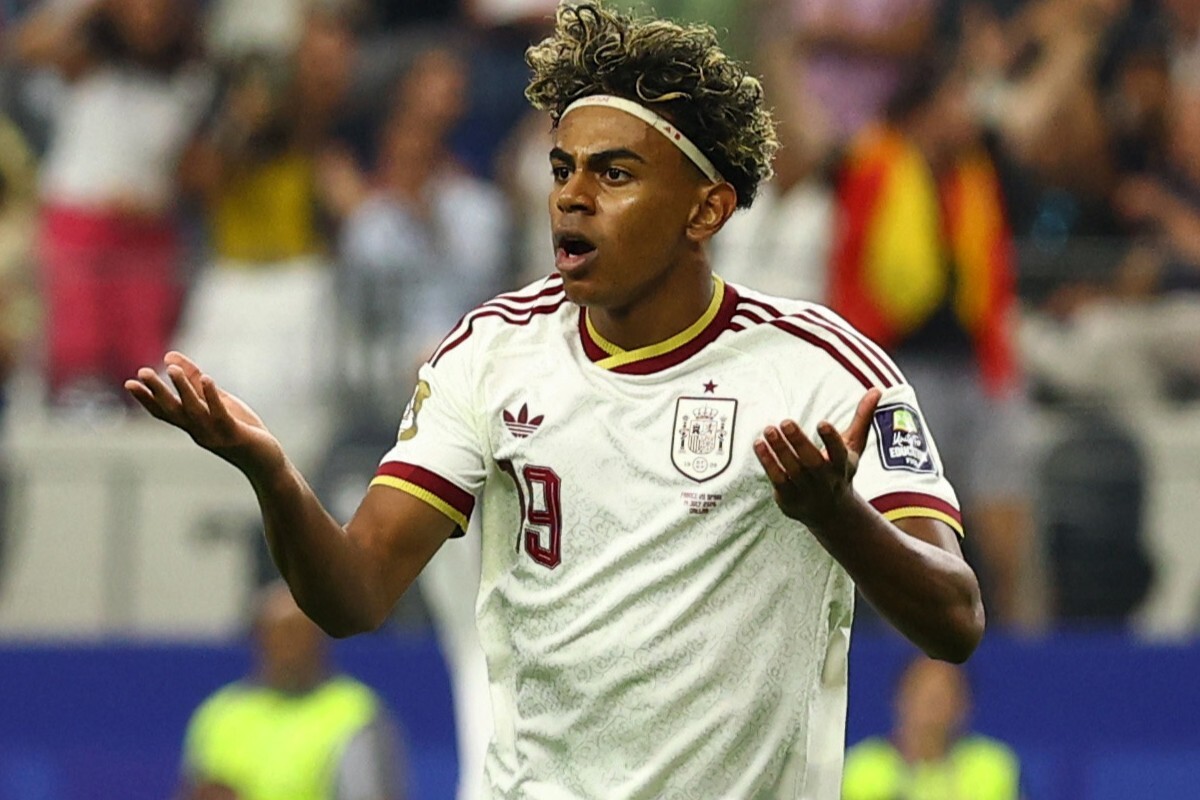
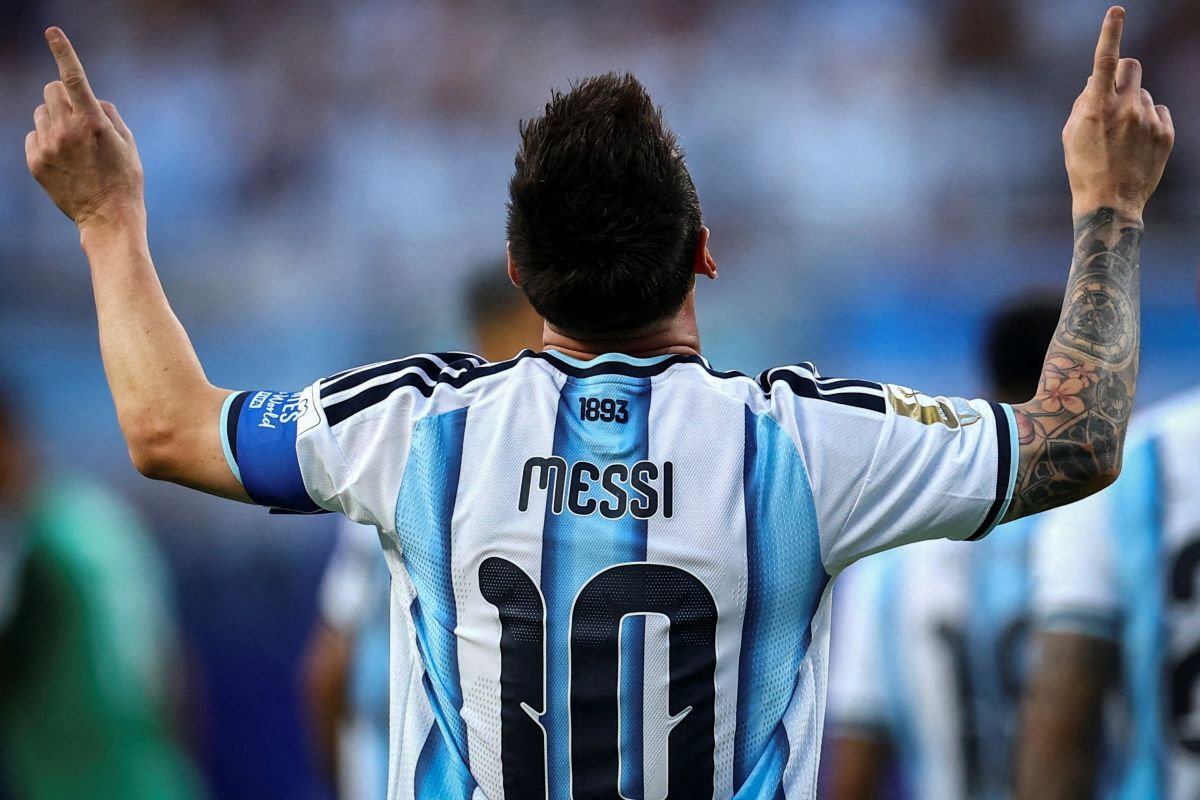
- Pricing Impact: Dual-threat players (like Lionel Messi or Lamine Yamal) receive a slight pricing "bump" because they are mathematically more likely to win a tie-break than a traditional "fox-in-the-box" striker who rarely assists.
5. Correlation: Top Scorer vs. Tournament Winner
There is a massive historical correlation between reaching the Final/Semi-Final and winning the Golden Boot.
- The Base Rate: Since 1982, roughly 80% of Golden Boot winners have played for teams that reached at least the Semi-Finals.
- The Betting Trap: Betting on a "longshot" striker from a team likely to be eliminated in the Round of 32 is mathematically difficult. Even if they score 4 goals in the group stage, an elite striker like Mbappé has 4-5 additional games (the Round of 32, 16, Quarter, Semi, and Final) to overtake them.
Summary Table: What Drives Golden Boot Odds?
| Variable | Impact on Price | Why? |
| Penalty Taker | High (Shortens) | Guaranteed high-probability chances. |
| Group Strength | Moderate | Opportunity to score 3+ goals in 270 minutes. |
| Team Quality | High | More games played = more opportunities. |
| Assist Rate | Low (Niche) | Acts as a tie-breaker for the official award. |
Soccer News
-
 SOCCER AUG 17, 2026
2026-27 Premier League Odds: Arsenal Favored to Repeat
- SOCCER JUL 20, 2026
2030 World Cup Futures Odds: Reigning Champ Spain Opens as Favorite
- SOCCER JUL 20, 2026
World Cup 2026 Central
- SOCCER JUL 19, 2026
Spain vs. Argentina Odds: World Cup Final Lines, Spreads, Betting Trends
- SOCCER JUL 15, 2026
World Cup: England vs. Argentina Odds, Lines, Spreads, Betting Trends
- SOCCER JUL 17, 2026
Spain vs Argentina Prediction, Picks, Odds